Προδιαγραφές και τύποι μηχανημάτων που χρησιμοποιούνται συνήθως
Προδιαγραφές και τύποι μηχανημάτων που χρησιμοποιούνται συνήθως
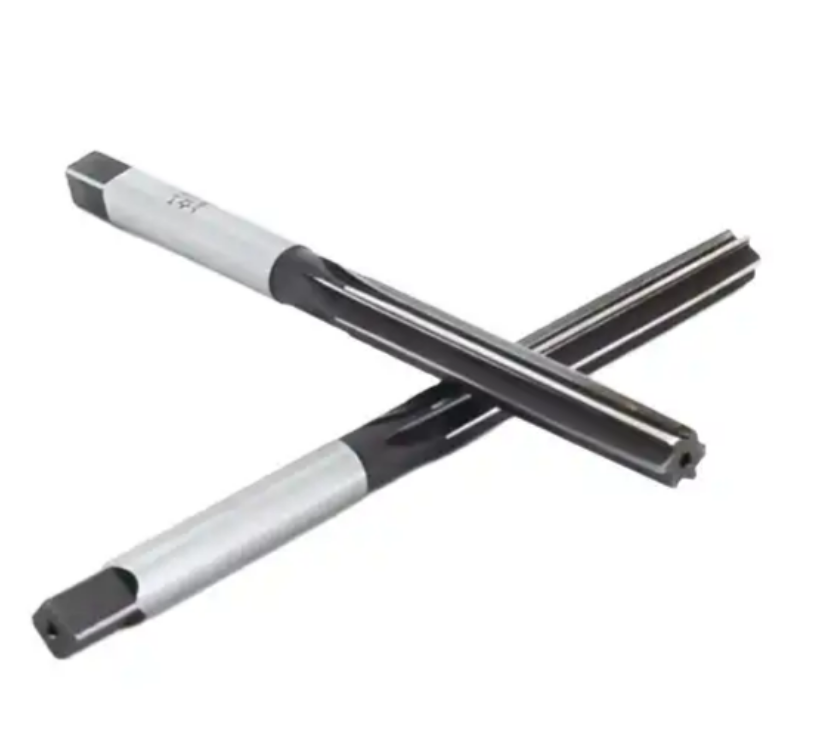
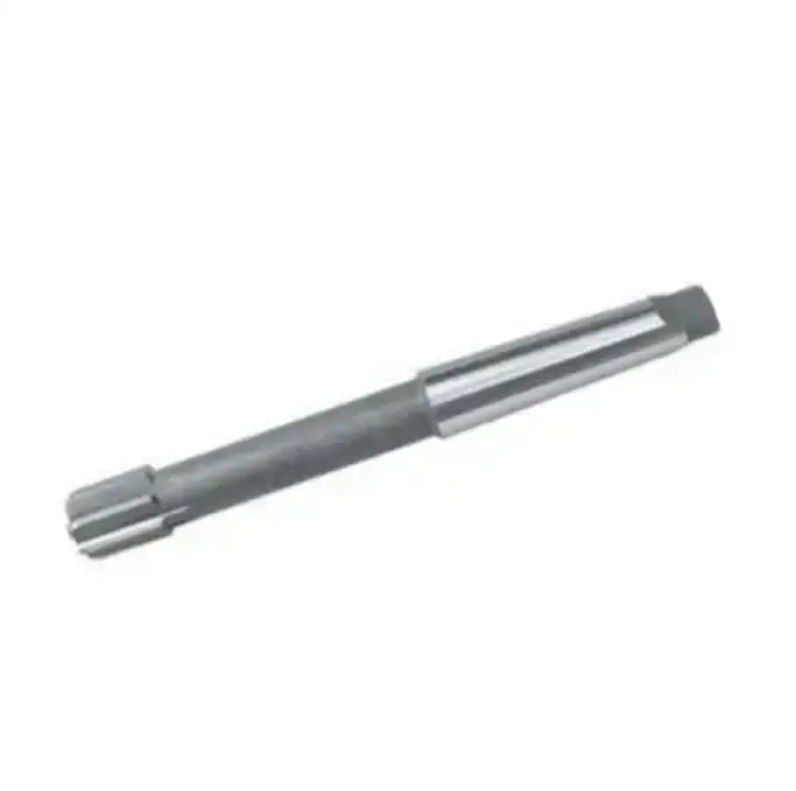
Στερεωτήρας is a cutting tool used to process reamed holes (δηλ. εσωτερικά νήματα). Χρησιμοποιείται συχνά στη μηχανική κατεργασία. στη δουλειά. Οι κοπτήρες μπορούν να διατεθούν σε πολλά μεγέθη και τύπους σύμφωνα με τις διαφορετικές ανάγκες και τα υλικά επεξεργασίας. Αυτό το άρθρο θα εισαγάγει ορισμένες κοινώς χρησιμοποιούμενες προδιαγραφές και τύπους μηχανημάτων εξομάλυνσης.
1. Προδιαγραφές
1. Diameter: The diameter of the reamer usually refers to the cutting diameter of the tool, which is the maximum diameter of the tool. διάμετρος. Common diameter specifications include 3mm, 5mm, 10mm, και τα λοιπά. The larger the diameter, the cut The stronger the cutting ability, but it also requires corresponding processing equipment and strong cutting force.
2. Length: The length of the reamer refers to the effective length of the tool, which is the depth that the tool can cut. Common length specifications include 20mm, 30mm, 50mm, και τα λοιπά. The longer the length, The greater the cutting depth, but it also requires corresponding processing equipment and stable processing conditions.
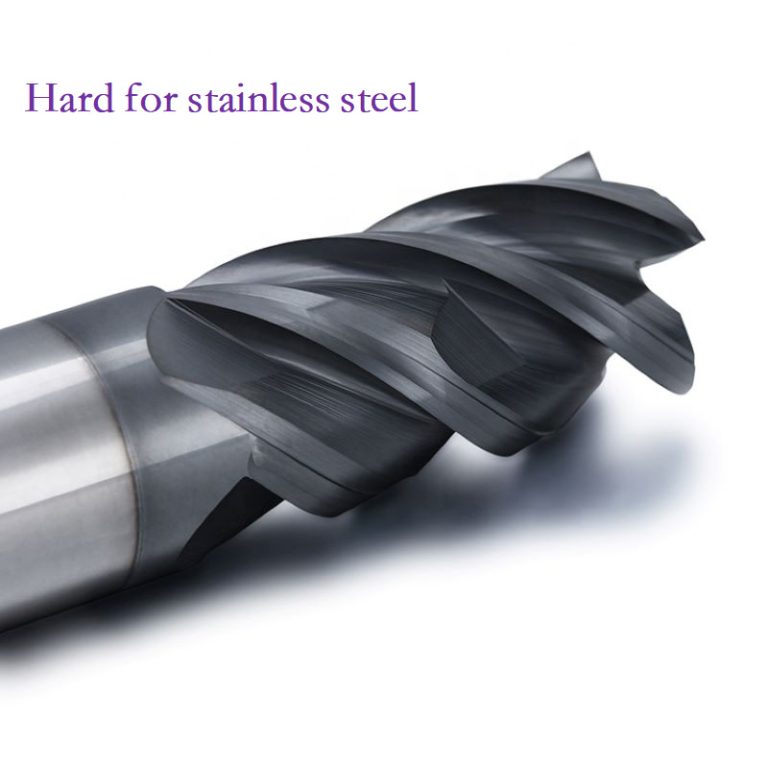
3. Number of teeth: The number of teeth of the reamer refers to the number of cutting teeth on the tool, ήτοι, the number of cuts per revolution. Common tooth specifications include 2 teeth, 4 teeth, 6 teeth, και τα λοιπά. The greater the number of teeth, the higher the cutting efficiency. But corresponding processing equipment and higher cutting forces are also required.
2. Type
1. Flat-bottomed reamer: Flat-bottomed reamer is the most common type of reamer. its tool cutting surface It is flat and used for processing flat bottom reaming holes. Flat-bottomed reamers usually have two edges, but some Special sizes may have more blades. It is suitable for processing various materials and is widely used in machinery, automobile, aviation and other industries.
2. Cone bottom reamer: The cutting surface of the cone bottom reamer is tapered and is used to process cone bottom reaming holes. Taper bottom reamers usually have two edges, but some special specifications may have more edges. it Suitable for processing tapered joint parts, such as tapered pin holes, και τα λοιπά.
3. Chamfer reamer: The cutting surface of the chamfer reamer is chamfered and is used to process chamfer reaming holes. Chamfer reamers usually have two edges, but some special specifications may have more edges. It is suitable for processing holes that require chamfering, such as assembly holes for connectors, και τα λοιπά.
4. T-shaped reamer: The cutting surface of the T-shaped reamer is T-shaped and is used to process T-shaped reaming holes. T-type reamers usually have two edges, but some special specifications may have more edges. It is suitable for processing holes that require T-shaped structure, such as machine tool guide rail holes, και τα λοιπά.
5. Special reamers: In addition to the common reamer types mentioned above, there are also some special reamer types. Για παράδειγμα, ball-head reamers are used to process spherical reaming; thread reamers are used to process threaded reaming; insert-knife reamers are used to process insert reaming, και τα λοιπά. These special reamers are based on machining needs Designed with specially shaped holes to meet specific processing requirements.
Summarize:
As a commonly used cutting tool, reamers have many types according to different processing needs and materials. specifications and types to choose from. When using reamers, it is necessary to select appropriate specifications and types according to specific conditions, and pay attention to reasonable tool use and maintenance to ensure processing quality and efficiency.